Category: MacOS

  • iOS | MacOS in 2026

    iOS | MacOS in 2026

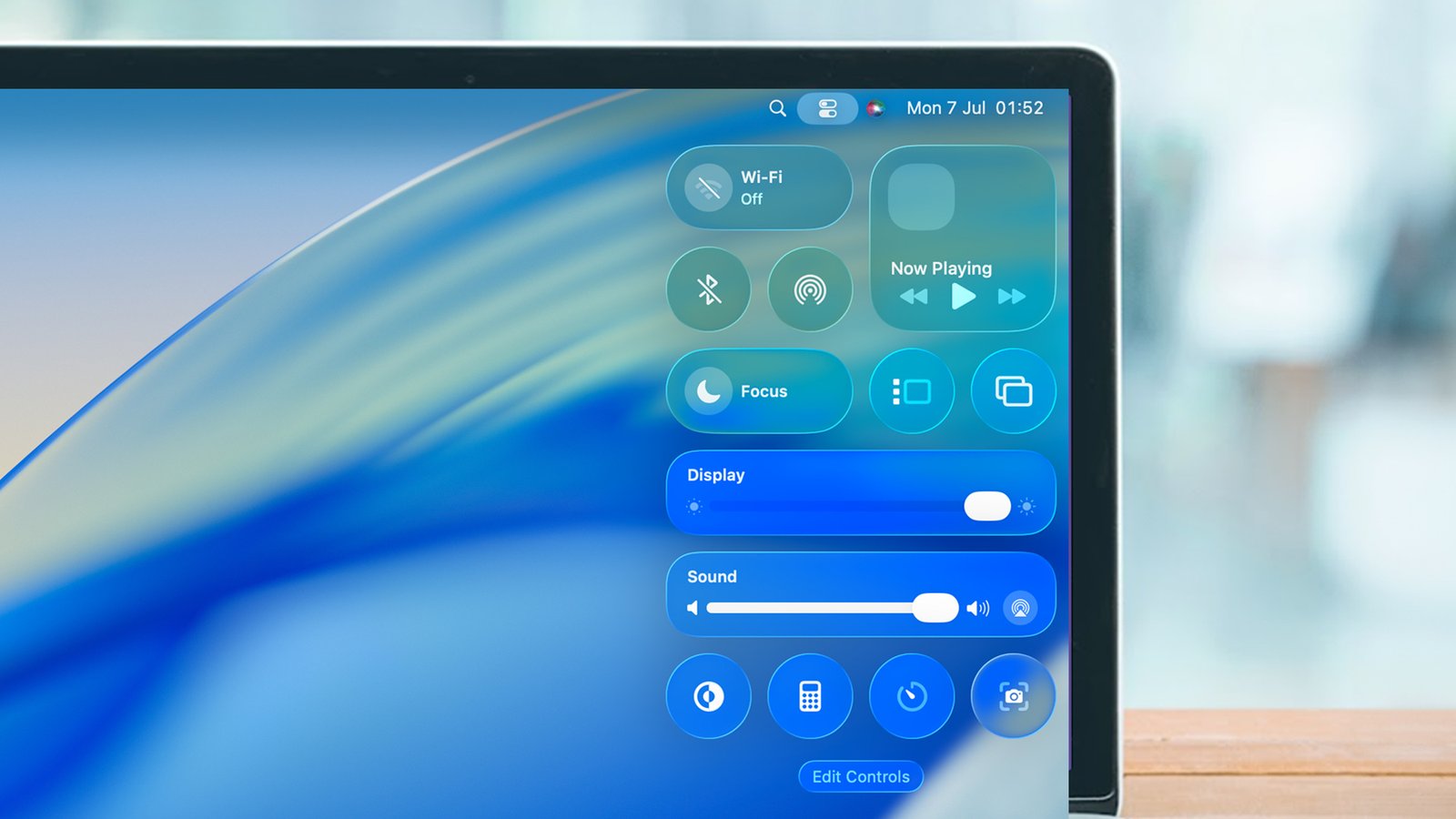
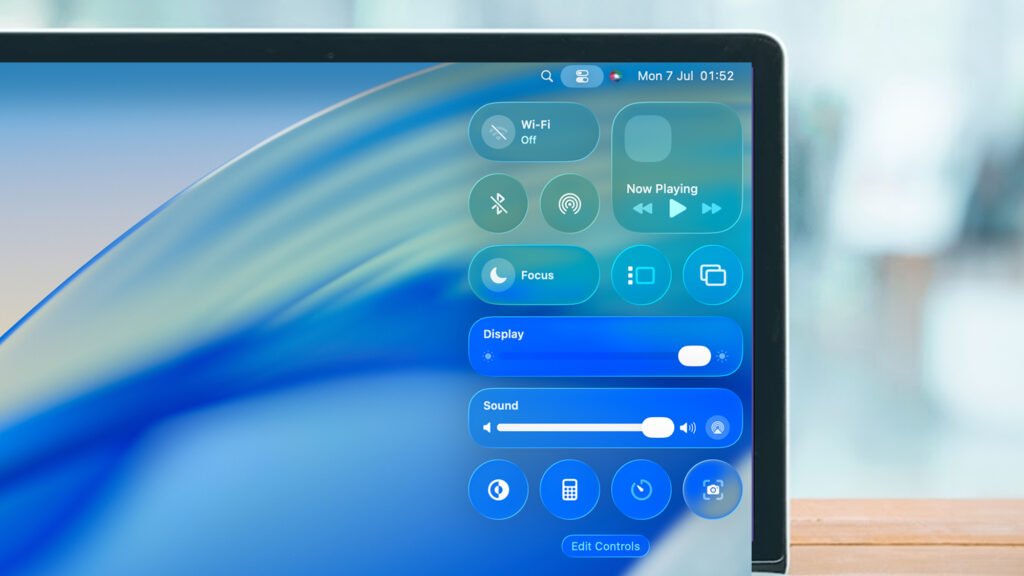
    After using iOS 26 and MacOS for about a month, I have learned a few things. First and foremost, this new glass design of Apple products takes me back to the days of Microsoft Windows Vista – in a very bad way. 
    Microsoft Vista was a transparent Windows OS, which at the time was appreciated by looking more futuristic and modern back in 2006, and apparently Apple is ‘making a comeback’ with this design 19 years later, as usual.

    Upon opening Apple’s new software redesign, mainly in iOS 26, the interface and glass design looks absolutely stunning. However the more I used it, the more it became a hindrance and mostly annoying over a usable OS for a small device.

    MacOS, on the other hand, was less cumbersome than the smaller and less intuitive form on an iPhone. Mind you, I am also using an iPhone 15 Pro Max, one of the largest landscapes of the iPhone lineup. As I appreciate the redesign of MacOS, as it is usable, iOS 26 is not my cup of tea. I don’t care how many people praise it. 

    I decided to change the settings of the glass effect back to a more stable and opaque appearance within 24 hours of using iOS 26, but the icons for the apps are still a little blurry looking for my tastes with its subtle highlights created in the design of each app.
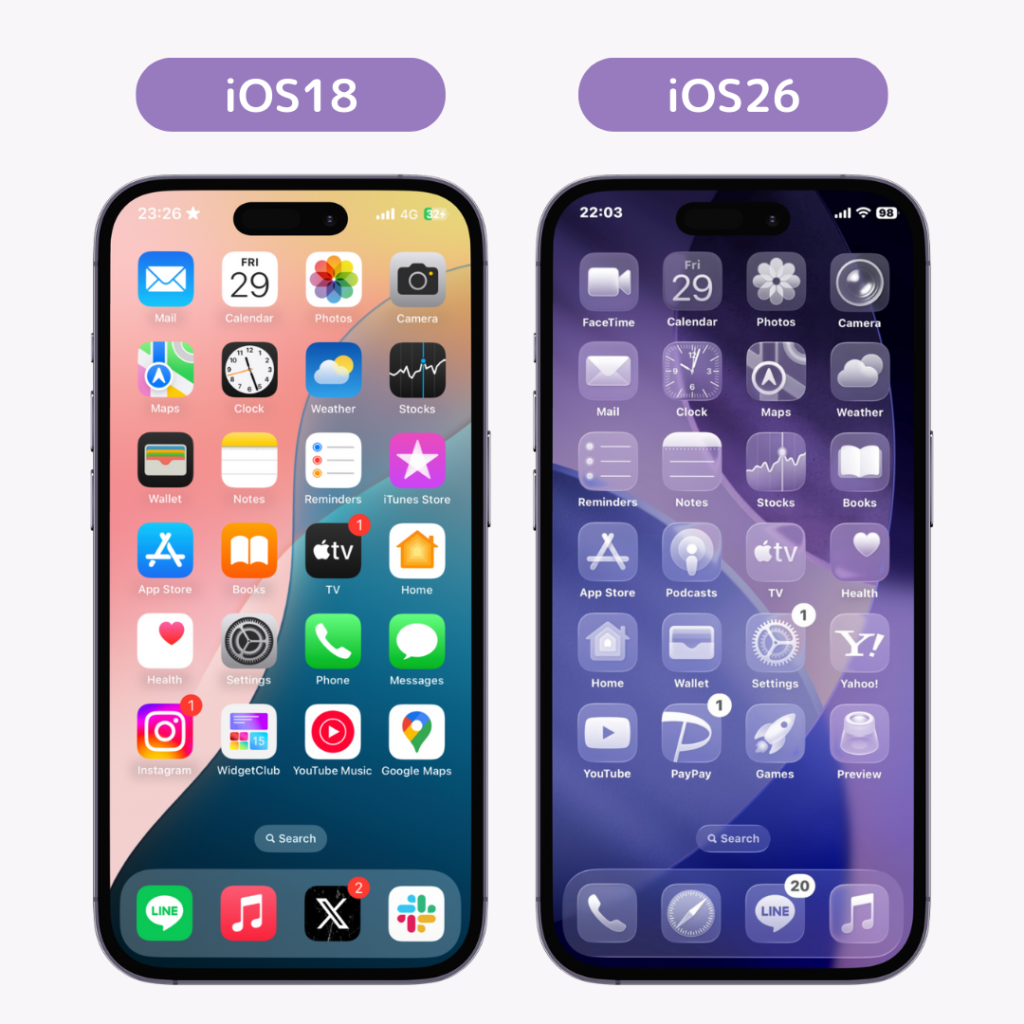
    A few other things that I noticed after upgrading to iOS 26 is that the phone gets a bit warm while doing basic tasks and the battery life certainly is noticeably shorter. What was once lasting well over a day (or two, depending on my usage) no longer lasts a day to a day and a half. I would have to assume that this is due to Apple’s integrated ::coughs:: Apple Intelligence and how this service plays into the collection of data from your device. However, you are able to turn this off under settings for Apple Intelligence and then separately for each and every app installed on your device.

    This reminds me of Microsoft’s telemetry data collection practices, which I am also not a fan of. I don’t feel that a company that advertises their focus on privacy, such as Apple does, and then is found using the data on your personal device to teach its AI model by default. Of course, this was also the default setting for iOS 18 as well.
    Year after year, Apple has become more like Microsoft and Google in every way with data collection, operating system bugs, and even in design – and it’s a sad thing to watch. What was once premium, innovative, and secure is now basic in overall design and performance.
  • Office and Productivity Alternatives in 2026

    Office and Productivity Alternatives in 2026

    When it comes to using software and apps outside of your operating system, many products and services are now requiring you to pay a monthly or yearly reoccurring charge. When you add everything up, it’s going to get expensive.

    This is when consumers and businesses alike start looking for other ways to be productive without these fees. Some apps offer online services, such as Canva or even the free version of Microsoft Office 365, but they will gather your data in place of charging you a fee which raises privacy concerns.

    So, where can we go since Microsoft no longer includes Office installed on your PC, or where can we find a more universally compatible office software suite outside of Apple’s productive trio of Pages, Numbers, and Keynote?

    The answer is Open Source. 

    Open Source software isn’t what most people think it is. The minute someone hears, ‘open source’, especially Apple devotees, they think of Google and Android which some feel that this is an immediate red flag.

    While Android is actually created from a Linux distribution, and so is iOS and Mac OS in a nutshell, they are both derived from Unix. I’m not going to go into great detail about the differences here, but you get the idea.

    Anyway, back to the Open Source software idea. Open Source is distribution of Operating Systems and Applications created by developers in their free time which the code of the software can be modified to fit a need. This means that as long as you download an app or software from a reliable source (I always go to the original developer) you’re probably not going to have any issues. Maybe a bug here and there, but these developers are very efficient in fixing issues once they come up.

    Now, let’s talk about the Office software alternatives I use and would highly recommend.

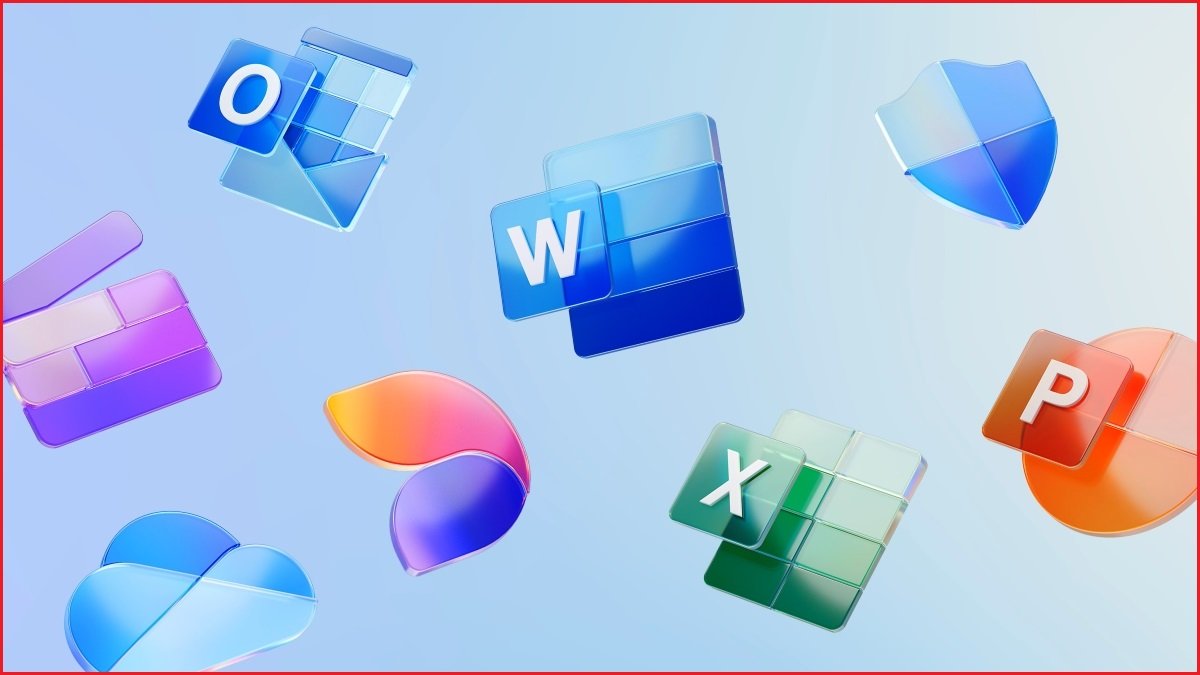
    Microsoft Office. MS Office has been around for ages – since Windows 95. This software used to come included with Windows when we paid for a windows license or upgraded our operating system. Today, Microsoft Office (now known as Microsoft Office 365 Copilot) charges a monthly or annual fee to use the product. There is a free version available online, but this offering probably collects data.

    As an alternative to Microsoft Office, and also the software I used to type up this article, is called LibreOffice. LibreOffice has also been available for many years, and is also the most popular Open Source version of an Office based product with paralleled compatibility with the original Microsoft Office. So, you could use this software in business, as a student writing a paper for class, or even for simple everyday use. The best part about LibreOffice is that it is not associated with an online server or ‘cloud’ service. It is installed and operates directly from your PC, Mac, or Linux computer. This means you have control over the data – your data and where you store it. 

    Outlook | Gmail

    Personally, I started using Mailspring recently for my personal and business email. It was very easy to set up and again, it’s Open Source and runs directly from my PC. 

    What about Creative Software?

    Adobe, the suite of software that has become even less affordable than Microsoft Office, also has a monthly or annual fee attached to it. These fees are absolutely abhorrent. So, let’s look at some Open Source software available for Windows, Mac, and Linux. 

    Adobe Premier Pro and / or After Effects

    • DaVinci Resolve – not open source, but there is a free edition
    • KDEnlive – Open Source and is favored by the Linux community
    • CapCut – Not recommended. Easy to use, but tied to a server like Canva.

    Adobe Photoshop

    • G.I.M.P. – Open Source and used vastly by Windows and Linux users
    • Darktable – Open Source 
    • Krita – Open Source Paint application
    • Inkscape – Open Source Vendor Graphics software
    • Blender – 3D model software

    These are just a few of many apps that are Open Source and can be used on almost any operating system as an online service (server) or stored locally on your device. I prefer the apps stored locally on my PC, which removes the possibility of data collection. I would also advise trying them over the paid original software (Adobe, Microsoft, etc.) because if you move to another Operating System, such as Linux or Mac to Windows, you won’t have to learn a new application as a creative.

error: Content is protected !!