Tag: business laptop

  • Why I Went Back to Windows 11 Pro

    Why I Went Back to Windows 11 Pro

    Some people may be shocked to see this post from me, as I am known as a pro-open source advocate.

    After a few years of many different Linux distros under my belt, I decided to go back to Windows.

    Why?

    It’s pretty simple. No matter what OS you use, there is always going to be problems. Solutions are created to handle these problems, but the timeline of resolution and type of problem that interrupts your workflow is the biggest issue of them all.

    Windows just worked better when it came to software integration, hardware working as its supposed to, and a valued ecosystem of products and services for my workflow. It may not be the best for yours, and that’s for you to decide.

    But doesn’t Windows / Microsoft scrape too much data? Yes, by default. You can adjust Windows to work for you as the tool it once was before all of this A.I. integration. You simply have to do the work and research about how to turn them off.

    To me this was easier than a failed open source driver messing with my GPU or an application that requires additional codecs – just to name some of the most common Linux frustrations that I personally had.

    But Microsoft still collects data about your computer. Yes. Yes, they do. How do you think Windows updates code are written? If you use Microsoft 365, you can either set up sync or choose not to. Better yet, buy a one time purchase of Office 2024 and keep everything to yourself, if you so desire.

    So is Windows invasive compared to Linux? It depends on what access you allow Microsoft to have on your machine, and the same goes for Linux. If you allow Ubuntu or another distro to collect information about your computer during set up, then it’s no different.

    So, make your own decision about what works for you.

    It may be the Year of Linux desktops. Good for Linux.

  • The New Microsoft Way

    The New Microsoft Way

    Microsoft and Windows 11, along with software (app) add-ons from the Redmond giant has taken a turn to collect as much information about you as possible.

    In my opinion, Microsoft has abandoned their user base in ways that portray a combination of Apple and Google, but with deep involvement of data collection of not only your PC, but also your Phone.

    I decided to reinstall Windows 11 on a back up Lenovo ThinkPad, which I previously used Fedora Linux to see what exactly the latest user set up looks like.

    I found that the setup process for Windows 11 was very long and invasive. The set up took almost 2 hours, not including the after install Windows 11 updates and adding my personal software preferences to the machine.

    Windows 11, during the set up process, is constantly looking for updates and restarting, requiring a mandatory Microsoft ID (or create one) to activate your PC. In the midst of registering your PC, Microsoft asks that you verify your Microsoft ID with a Passkey or use your phone to set one up. While I won’t do either of these, I clicked on Passkey option and then clicked on Cancel. This brings up the option to use your password or an authenticator app.

    At this point, it is clear that Microsoft is trying to click bait you into allowing your phone and it’s information to become a part of your Microsoft ID.

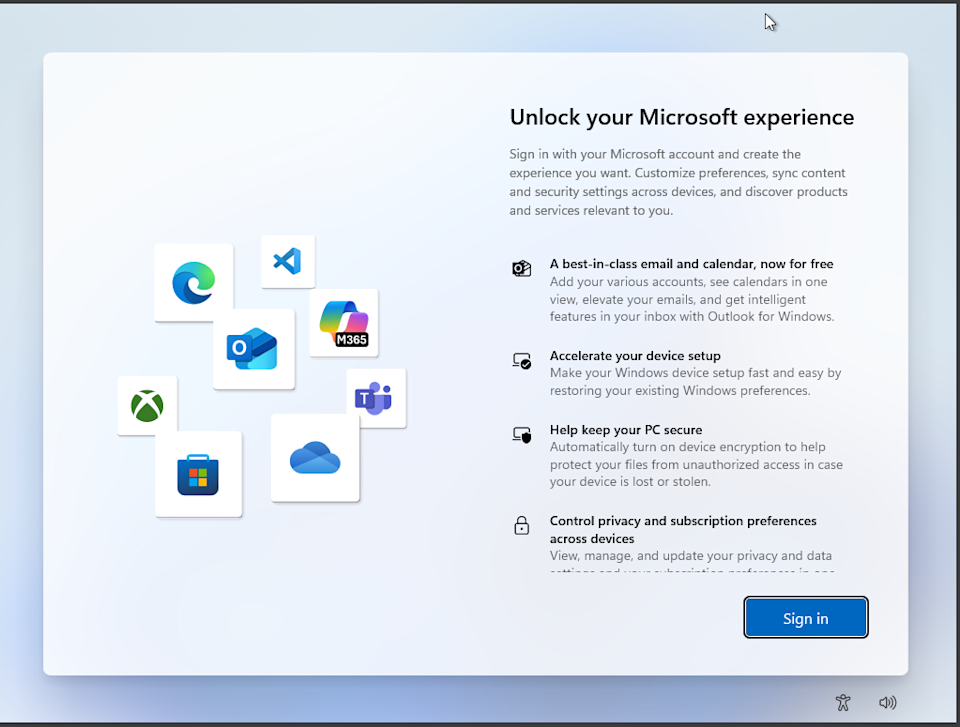
    Microsoft then goes through a hard sell for Microsoft 365 (formerly Office and used to be included with Windows), an XBox subscription, and a checkbox questionnaire asking you how you plan on using your PC (business, student, developer, etc.).

    Next, Microsoft then asks you to add your phone to Windows 11 (I would assume because you didn’t fall for the Passkey trick in the beginning of setup), turn on backup to OneDrive from your phone to save your pictures and documents, and then asks you if you want a Basic OneDrive subscription.

    After all of this, your PC will restart a few times more and you can finally see your desktop. But don’t get settled in yet. Now we have to remove invasive Microsoft and 3rd party apps, deal with Microsoft Edge data collection and forcing its way into your workflow, update Windows 11, and change settings, and tucked away setting, to prevent Microsoft from collecting data.

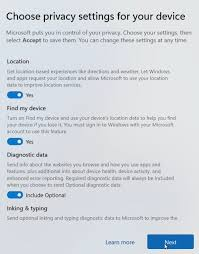
    When we started this installation, Microsoft ask us if we want to turn off or on multiple security options, such as access to your location, typing and other personal tracking such as other data collection – but those options were just the tip of the iceberg. There are many other settings in Windows 11 that should be modified, and can take some time to review / turn off / remove.

    I’m not going to go into detail here, and maybe I will in a future article, but Windows clearly took the mandatory Microsoft ID sign in from Apple for ‘security and Windows Activation’ and combined it with Google’s idea of data collection to create a data collection monster to sell your information, share your information with 3rd party services, show you ads, and completely ruin your Windows 11 experience to the point where people are leaving Microsoft in the dust to a better user controlled experience with Apple or Linux.

    I have recently experimented with different Linux Distros recently on my main PC (and have done so since the late 1990’s), and the experience is overwhelmingly positive. But, I also know what I am doing with Linux. This also brings into light the advantage Microsoft has over you switching to Linux or paying an obscene amount of money for Apple ‘rented’ hardware for 6-8 years – I’ll get into that in another article as well.

  • Decided to Give Linux Mint 22.3 a Try

    Decided to Give Linux Mint 22.3 a Try

    While I am a fan of Ubuntu and Fedora Linux, I also have a craving for new Distros and flavors when they are released.

    This is a part of the beauty of Linux. Born from one objective, made to satisfy a diverse workflow of needs in each distribution. As you may know, I am pretty forward thinking and open-minded when it comes to the technology of stationary and mobile systems.

    I have used and upgraded hardware and software systems from Linux machines, Apple, and Windows since the dawn of Windows 95.

    To this day, Lenovo has since been King of running Windows and Linux since the birth of the ThinkPad because they have the best repairability and upgradable track record of them all. My ThinkPad T490 (released in 2019) is where I am installing Linux Mint and removing Ubuntu 25.10.

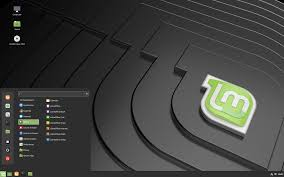
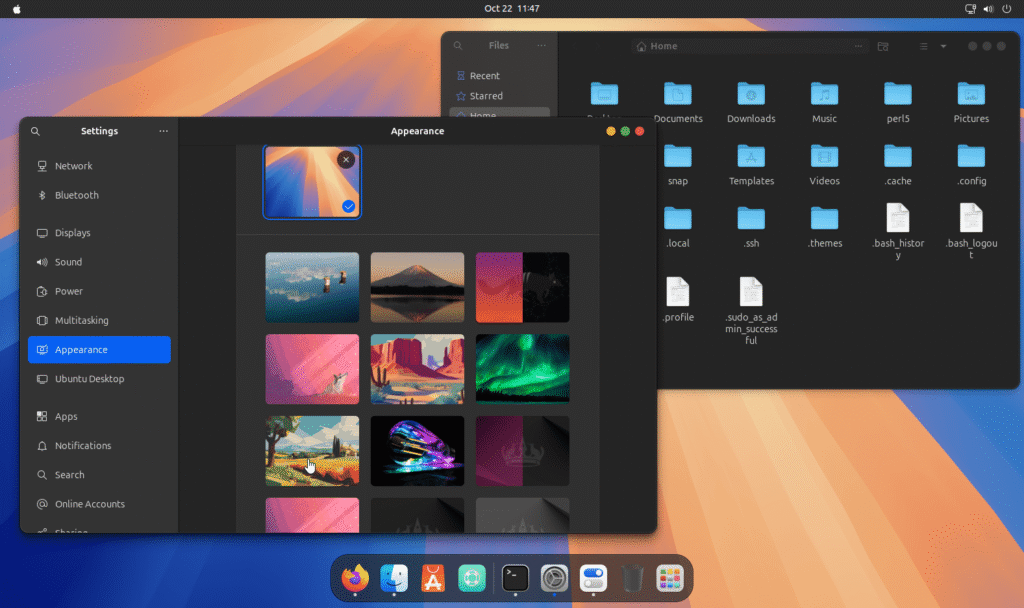
    Linux Mint 22.3 is a very down-to-earth OS where users can feel right at home coming from either Windows or Mac OS. It’s simplified user interface makes it so easy to learn, and the Gnome desktop feels welcoming yet modern at the same time as you can customize it to your needs and workflow. Another welcoming add-on is the fingerprint scanner software, that works out of the box, on laptops with a fingerprint scanner installed.

    Linux Mint comes with a web browser, office applications, a music and video player, and so many more preinstalled apps (called packages in the Linux world) that help even the newest Linux user feel right at home.

    Unlike Windows and Mac OS, the user has complete control over the software and OS itself. So, if you prefer a different web browser than Firefox, which is preinstalled on many distros, you can add and remove apps right within the app store or download them over the internet (I prefer to stick to the Flatpack app store for security reasons) as long as the app is supported.

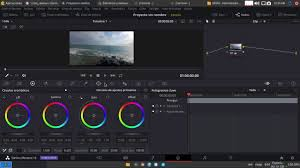
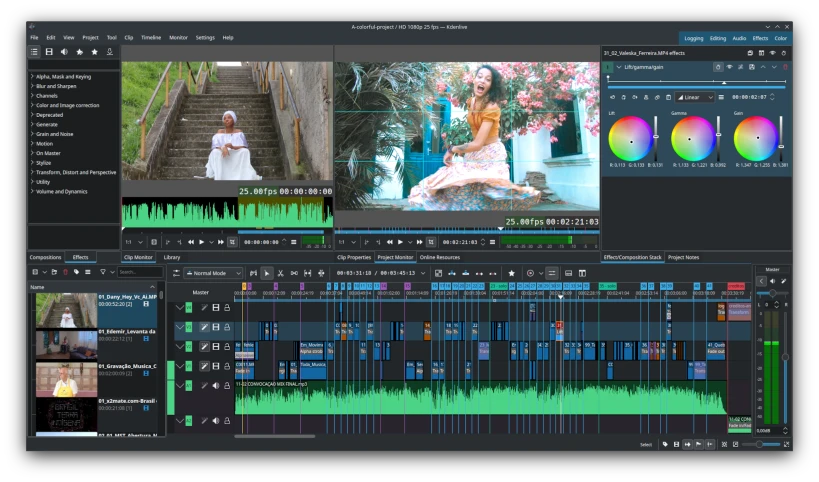
    Proprietary software, such as DaVinci Resolve, can be downloaded for Linux but is not available in the App Store since it is not considered Open Source, but has a free and paid version available. If you would like to keep supporting Open Source software, a very good alternative is KDEnlive, which is available in the app store.

    So, as I use Linux Mint 22.3, I will keep you guys updated on my YouTube channel as to whether or not I have become a fan or switched back to Ubuntu.

    Stay Tuned!

  • Moving to Linux from Windows 11

    Moving to Linux from Windows 11

    If you’re like me, using Windows 11 is getting on my nerves. The constant push of the Edge browser, the data collection by Microsoft, and the constant updates that sometimes crash your PC (this has happened to me more than once in the past year on my Dell XPS PC).

    I used to use Linux in the past. Ubuntu and Zorin to be exact. The only thing that has kept me on Windows 11 was the usability of Adobe software suite, which isn’t available for Linux. 

    Why won’t I move to Mac OS and a new Macbook Pro or Mac Mini? 

    While I have used Apple products off and on since the white glossy iBook was released, which has retired many many years ago, Apple has changed the way they build their products. With the inability to upgrade due to soldering on components, this makes Apple less environmentally friendly and much less cost effective for consumers and businesses alike once you need to upgrade. Plus, since the onboarding of Tim Cook, Apple has been collecting too much information over their devices about their users and innovation has completely stalled within the company. So, I’d rather invest in a Windows or machine made specifically for Linux. 

    What about Chrome OS? 

    As much as I love Chromebooks and Chromebases for the simplicity, security, and up to 10 years of updates, again I can’t use Adobe Software on these devices either outside of an app.

    With Linux available in many flavorful distributions, there simply isn’t a common distro for everyone and you have to do research on which one will work best for you. However, with Linux, you can start with a basic stripped down distro and add on packages (applications) as you see fit either through the terminal or from a package (app) Linux store, which since they’re open source (most of them), they will be free. 

    And that is the heart of Linux, open source and free operating system / software with an amazing and fruitful support community. So, I may start again with Linux as a dual boot on my current desktop PC (Windows 11 and Linux) just to see how I handle the migration over time and find the replacement apps that I need to dump my expensive Adobe subscription once and for all.

    Have you used Linux? What distro do you prefer? Or would you prefer to stick with Mac OS or Windows 11?

  • Snapdragon X Elite Laptop

    Snapdragon X Elite Laptop

    Opinion of a Snapdragon X Elite Laptop as My Daily Driver

    When it comes to new laptops built with the newest technology, the Snapdragon X Elite chip is one not to be ignored. Microsoft has incorporated these chips into their own Surface branded machines, several manufacturers have followed suit, for a very good reason. 

    In December of 2025, I was looking for a laptop to replace my dated Lenovo Thinkpad. Now, this ThinkPad works for basic everyday use, but I needed one that could edit videos if I was not able to do so from my Dell XPS desktop. 

    First I bought an Alienware gaming PC with more power than I actually needed, and was upgradable (RAM and SSD) for future-proofing my machine. However, I ran into issues with updating the graphics driver through Windows 11 update and also directly from Nvidia. This, plus the weight of the machine, made me very uncomfortable with my purchase.

    I ended up returning the machine and decided to keep my mind open for other options, which is where I discovered the newer Snapdragon X Plus and Elite chipsets in slimmer machine profiles. Mind you, these ARM Snapdragon chips were introduced in early 2025, so I was not aware of them upon release, and Microsoft had used ARM based processors in their early line of Surface products which apparently didn’t do well.

    As with any newer chipsets, like the Apple M Processors, developers have to be willing to make software that meets the functionality and design of these new processors. This can take some time, but many have made an effort in order to do so.

    Luckily I made my purchase almost a year after all of the social media influencers have dealt a sour hand to Snapdragon throughout 2025, especially those who are Apple devotees, which my experience has been nothing but incredible to say the least.

    All of this praise doesn’t come with a bit of drawback. Adobe hasn’t been friendly with the Snapdragon chips as of yet (early 2026) and their beta apps aren’t ready for mainstream, so I switched to DaVinci Resolve, which works flawlessly for editing videos. Another setback is the development of Linux for these machines. While I have not tried to install Ubuntu or Fedora, which both have 64 bit ARM distro releases available, I have read that performance is not as expected like it would be on an Intel or AMD machine. I decided to stick with Windows 11 and disabled many settings to keep my new PC private. Of course, a reputable VPN never hurts either.

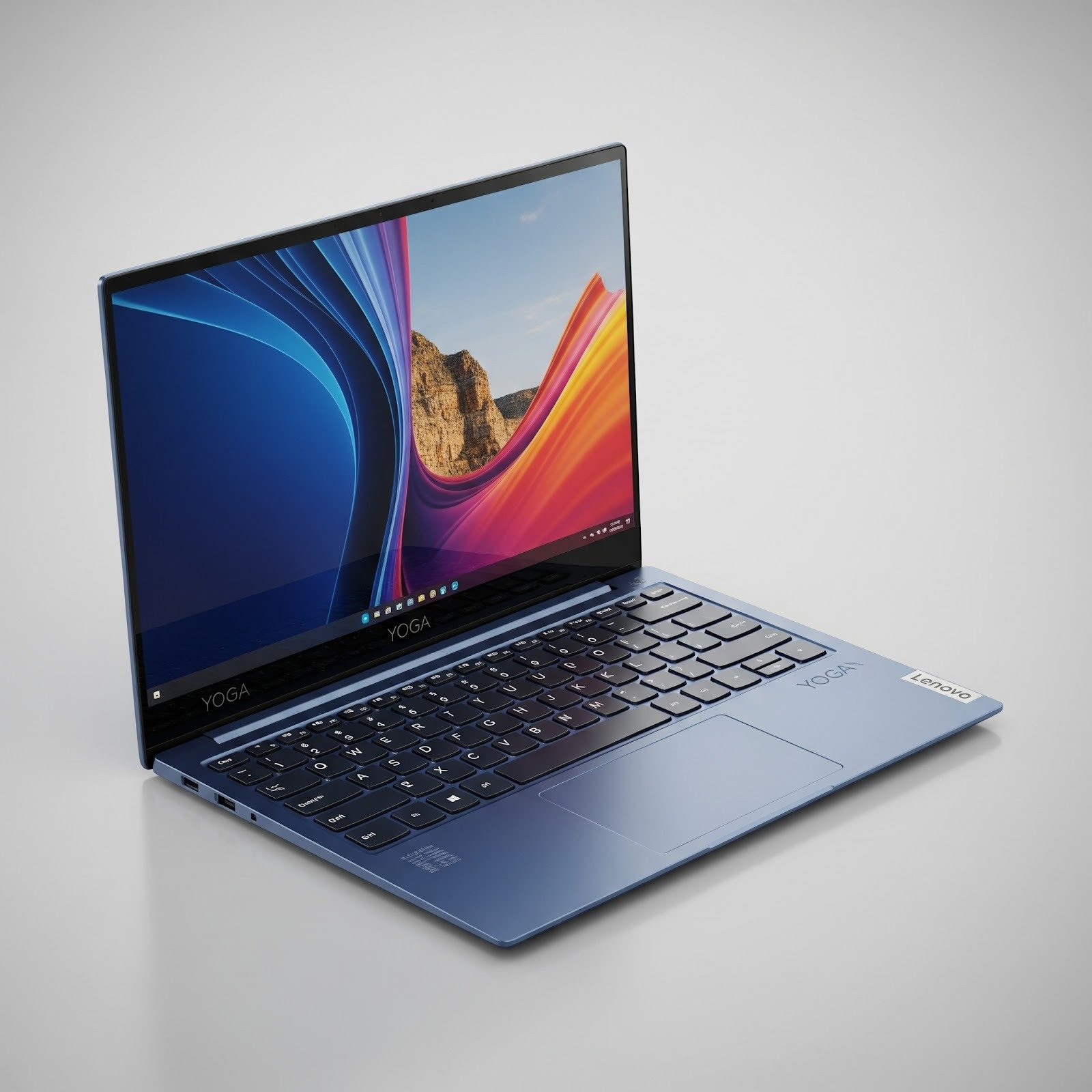
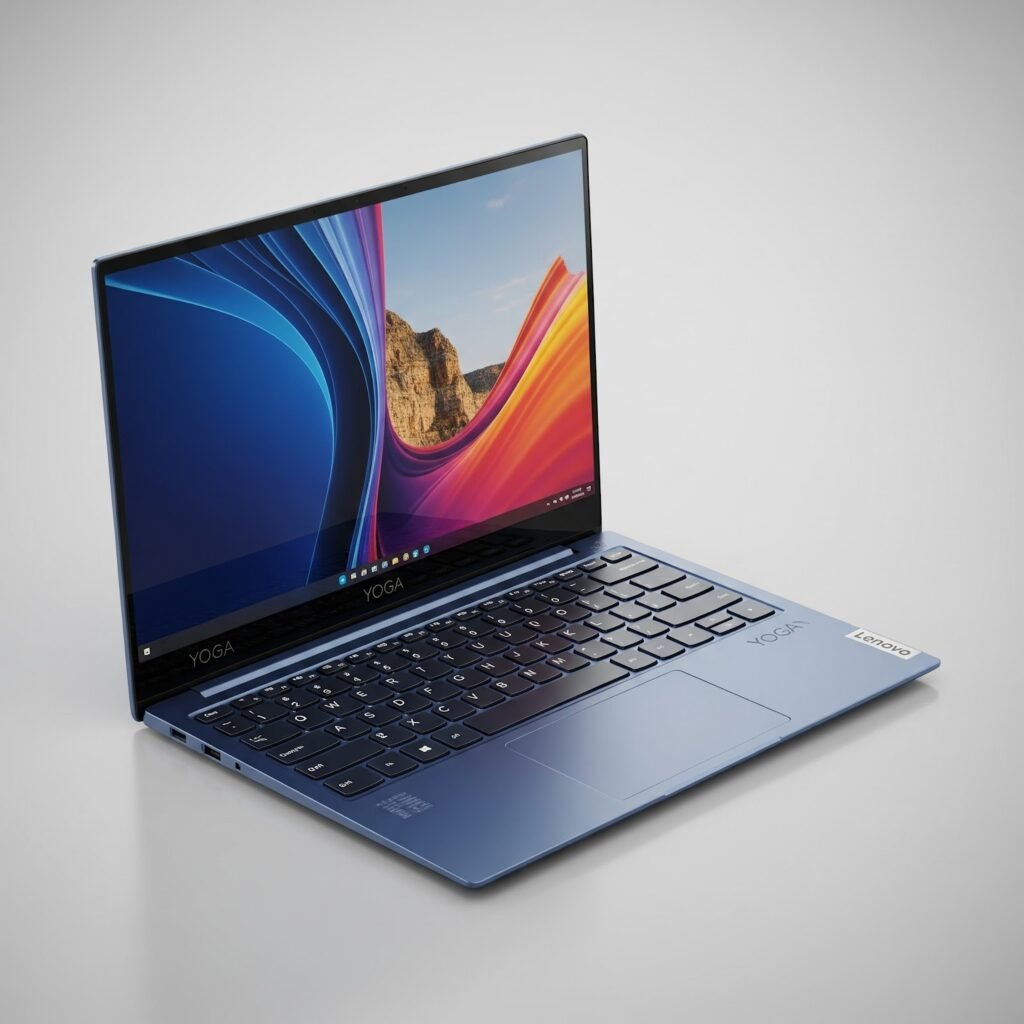
    My personal experience with these Snapdragon chips has been overwhelmingly positive and I appreciate the slim and lightweight design of these machines over a gaming laptop. I did purchase my Lenovo Yoga Slim 7X on sale, which made the buying process even better.

    Would I recommend this and other Snapdragon based PCs? Absolutely. With the combined attributes of weight, speed, design, and value for the money, you simply can’t go wrong with a Snapdragon plus or elite PC. 

    Dare I even say, it’s more impressive and faster than a Mac in real life use.

  • A World of micro business

    A World of micro business

    There are so many people looking to establish a new micro business today. But what is a micro business?

    A micro business is another name for a single person operation of a small business who is responsible for all actions and recordkeeping of a small business. In most cases, this micro business owner doesn’t have regular employees, but may have a small circle of paid contracted individuals who are assigned certain responsibilities to help lessen the workload.

    Why seek outside help?

    When you’re an owner of a micro business, your responsibilities include meeting and exceeding the expectations of clients, advertising / marketing, product development, and keeping track of financials. To satisfy these expectations can be overwhelming, especially when you have to remember to stay current on trend (COT) with research and development in your market, renewing and applying for annual registrations or licensing, and complying with quarterly and annual local, state, and federal laws and tax requirements.

    Most micro business owners will hire an accountant to keep record on their taxes and other financial requirements, while others will hire contractors to assist with video editing, marketing, etc. The main concern and focus of a micro business owner is their brand. I know that the word ‘brand’ has been overused, misinterpreted, and quite frankly abused as people now think that you have to establish a ‘brand’ in order to survive both personally and professionally.

    Technology and Organization

    Staying up to date on technology and using this technology as a tool in your micro business is essential to survival. As the world becomes smaller through instant communication, shorter attention spans, and social media, it’s most important to have a presence within social media on your choice of platform(s) which clearly allows you to be visible to your desired audience. While a cloud service isn’t an actual contractor doing work, it’s a paid monthly service to keep information safe.

    Whether you desire a specific brand of technology or prefer to create your own ecosystem, the central hub is the heart of everything within your business. I speaking about cloud services or hosting your own NAS, your information should remain private and secure. As for myself, I rely on both a NAS and cloud services to stay connected to my important documents and videos or pictures of product and services. While cloud services offer instant uploading, sharing, and saving, the NAS gives me complete control over my data, which I tend to back up at least once a month.

    This is just the tip of the iceberg

    As there are many sources online to hire a contractor to help you with your business goals, there are also many A.I. alternatives that can help or hinder your business – so please be careful. One service that I always count on and has never failed me is Google Workspace. I’ve been using Google Workspace for years for file sharing, client collaboration, scheduling, and even even moderate A.I. assistance.

error: Content is protected !!